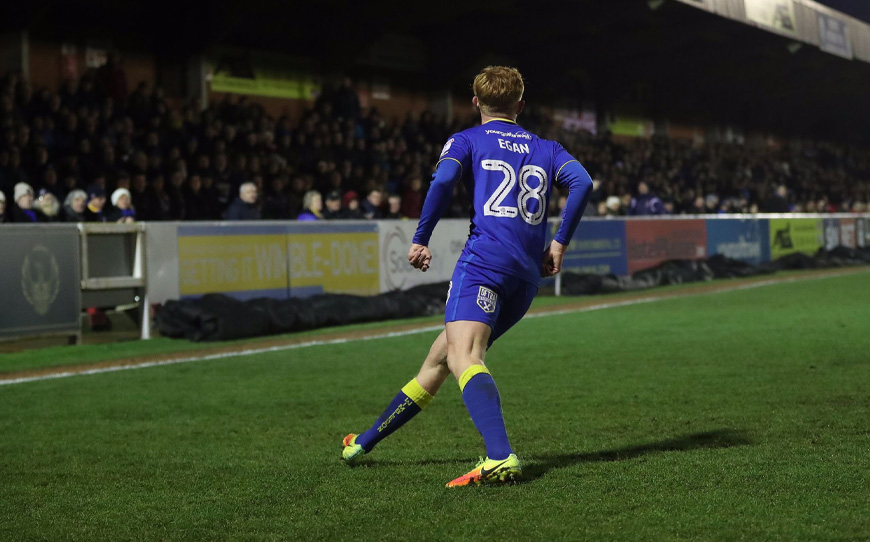
Alfie Egan joined AFC Wimbledon’s academy as a teenager and progressed all the way through the Dons’ academy setup to earn himself a professional contract at the conclusion of his scholarship.
“I joined Wimbledon when I was 13 and spent all of my teenage years there,” Egan told LFE. “I signed a pre-scholarship at 15, which meant I would spend at least the next two years there, which was good.”
Reminiscing on his time as an apprentice, Egan pinpoints those two years as the most enjoyable period of his footballing career. “Those two years were the best of my life. I was surrounded by some great people every day. I think I appreciate it more now than when I was actually there, because obviously at the time it’s hard to look past just playing football and enjoying yourself with your teammates. But I learnt so many lessons. I have stories and memories that I’ll still talk about when I’m 60 years old.”
Discussing his scholarship years in further detail, Egan credits both AFC Wimbledon and LFE for creating such a positive environment to thrive and develop in. “The club created an environment where everyone was on a level playing field, and the focus was never solely on football; it was about the bigger picture. It was all about learning, developing, and becoming a better person—not just as a footballer, but more importantly, as a person. I’m not sure whether we just found a sweet spot within our group, but as a cohort we embodied all of that. Never any arguments, bickering or anything like that—just simply good times.”
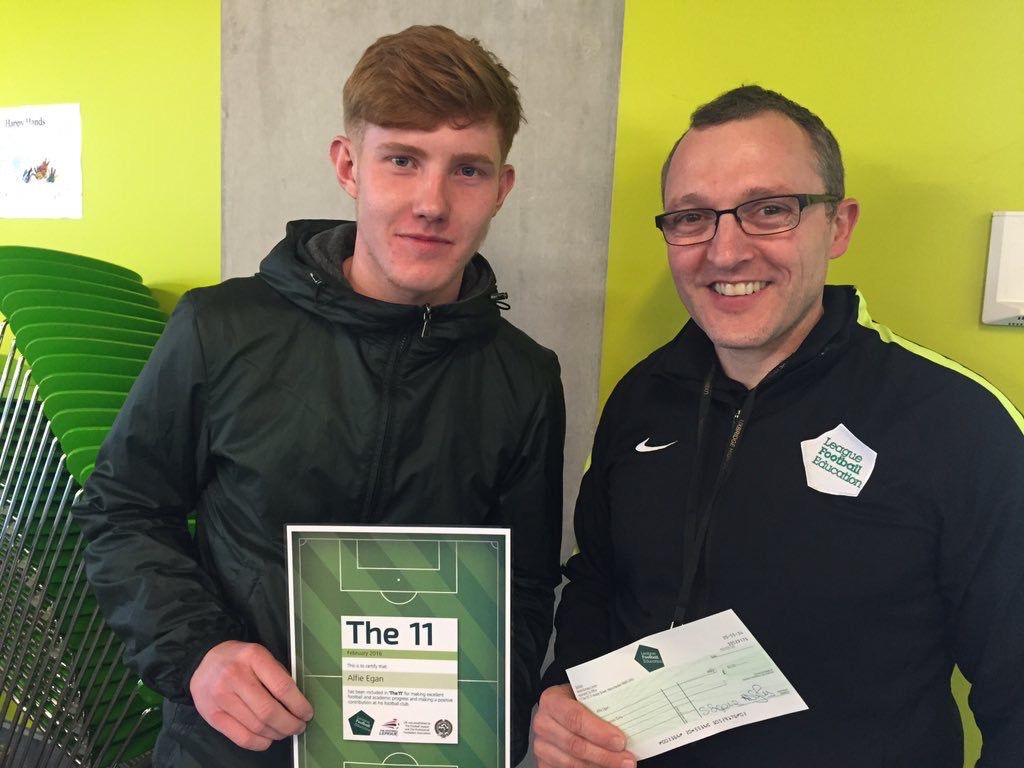
“LFE’s help always echoed what the club were trying to do as well,” Egan affirmed. “I remember you guys coming in and delivering sessions to us on lots of different topics. If I’m honest with you, I’ve definitely learnt to appreciate those sessions a lot more now as I’ve got older and matured. Looking back, they were really important because everything I learnt in those sessions has come to fruition now, and I’m using those skills in my career.”
Egan signed his first professional contract in 2016 and recalls the daunting nature of making the jump from the academy to the first team. “It was a scary time for sure. You’re 17 or 18 and walking into a dressing room full of seasoned pros in their late 20s and early 30s who have enjoyed great careers. I was a little starstruck at first—and I know none of them had played in the Premier League, for example—but I was a big Millwall fan growing up, and Wimbledon at the time had a few ex-Millwall players in the squad. It was nerve-wracking and all of the emotions you can think of all in one, but it’s just about taking it in your stride.”
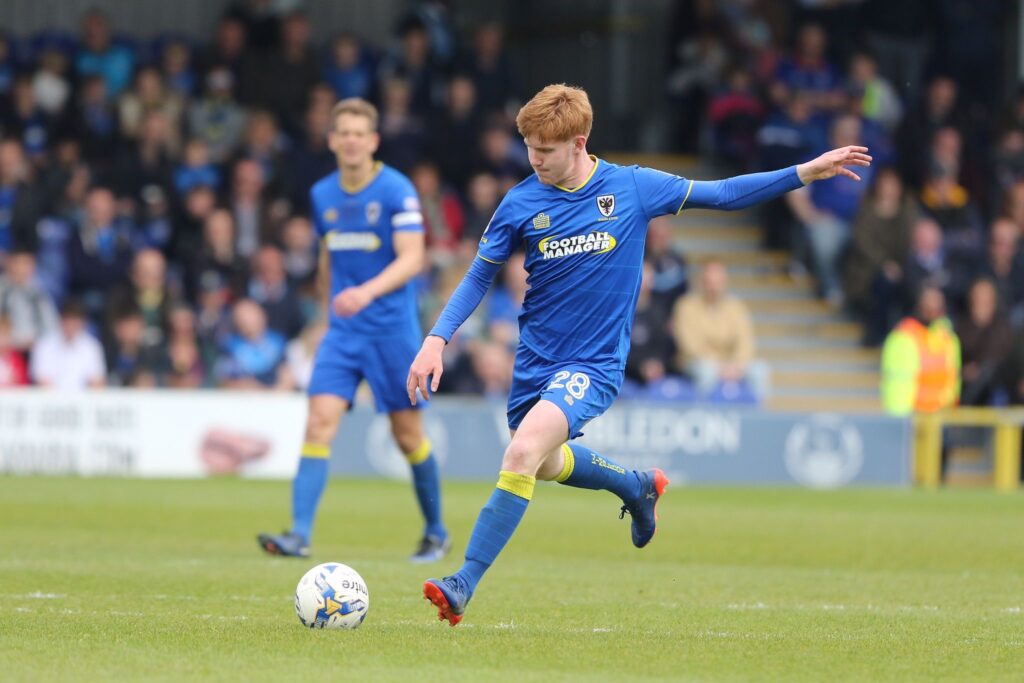
During his time as a professional, Egan began exploring other interests away from the pitch and started to picture what his life might look like in his post-football career. “I was fascinated by what else was out there. Being in the football or sports world in general is like being in a bubble. I didn’t really realise how thick that bubble was, and it’s hard to look outside of it, but I did begin to start thinking about what I was interested in away from football and what skills I had developed that could make me successful elsewhere. I had played games in the league, so at the time I very much still had a career in football to pursue, but I started to have conversations about it. I began talking to other players about their ambitions and plans after football, because unless you’re playing at the very highest level and earning ridiculous amounts of money, you’re going to have to work after you finish playing.”
Egan’s Wimbledon deal expired, and the midfielder wasn’t offered fresh terms, prompting the search for a new club to begin. “The first couple of months were really tough, as I didn’t know what I was going to do. When you’re playing well and in the spotlight, agents love you, but when you’re not doing so well it’s hard to get a text back—so I was a little lost, to be honest with you.
“I went on trial at Ebbsfleet, who were in the National League, and eventually signed a deal there. It was a completely different environment to the one I was in at Wimbledon. It was still very professional, but a lot different to Wimbledon. It will have changed now though, as a lot of non-league clubs are full-time.”
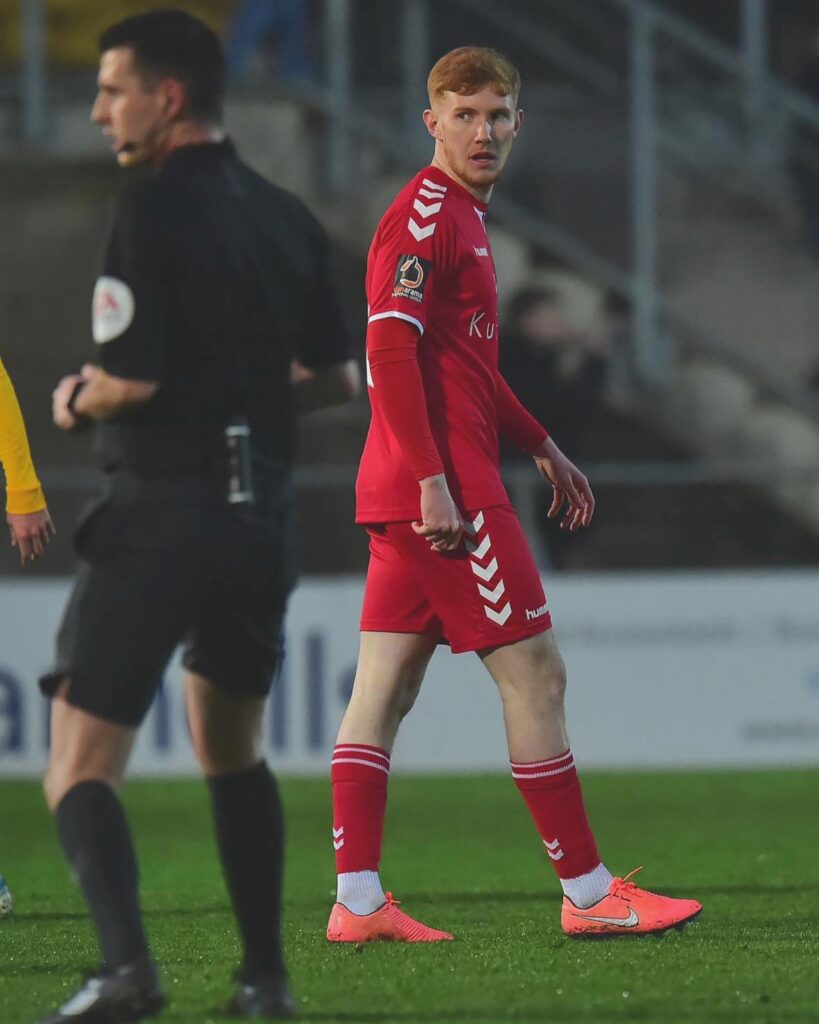
Egan admits to looking down on the prospect of playing in non-league football originally—something he urges current players, especially young ones looking to gain experience of men’s football, not to do. “At the start I couldn’t even get into the team, and it really hit my ego. My pride was dented. It was really tough to adapt to. I thought it was going to be easy having dropped down from a professional team, but it was the complete opposite. It was super physical, and the first season was a real shock to the system. But I adapted and ended up staying for three years—and loved it, to be honest.
“The facilities and stadiums are also really good, and that doesn’t just go for the National League that I was playing in. National League North and South clubs are really great too—even clubs further down at step three and four.
“It’s not a walk in the park. There are some great players in non-league, and if you go and play games and do well, you’re setting yourself up for a career at that level at least, which is worth a lot of praise. It’s not just a stepping stone anymore for players—it’s an environment and level which is really challenging and professional.”
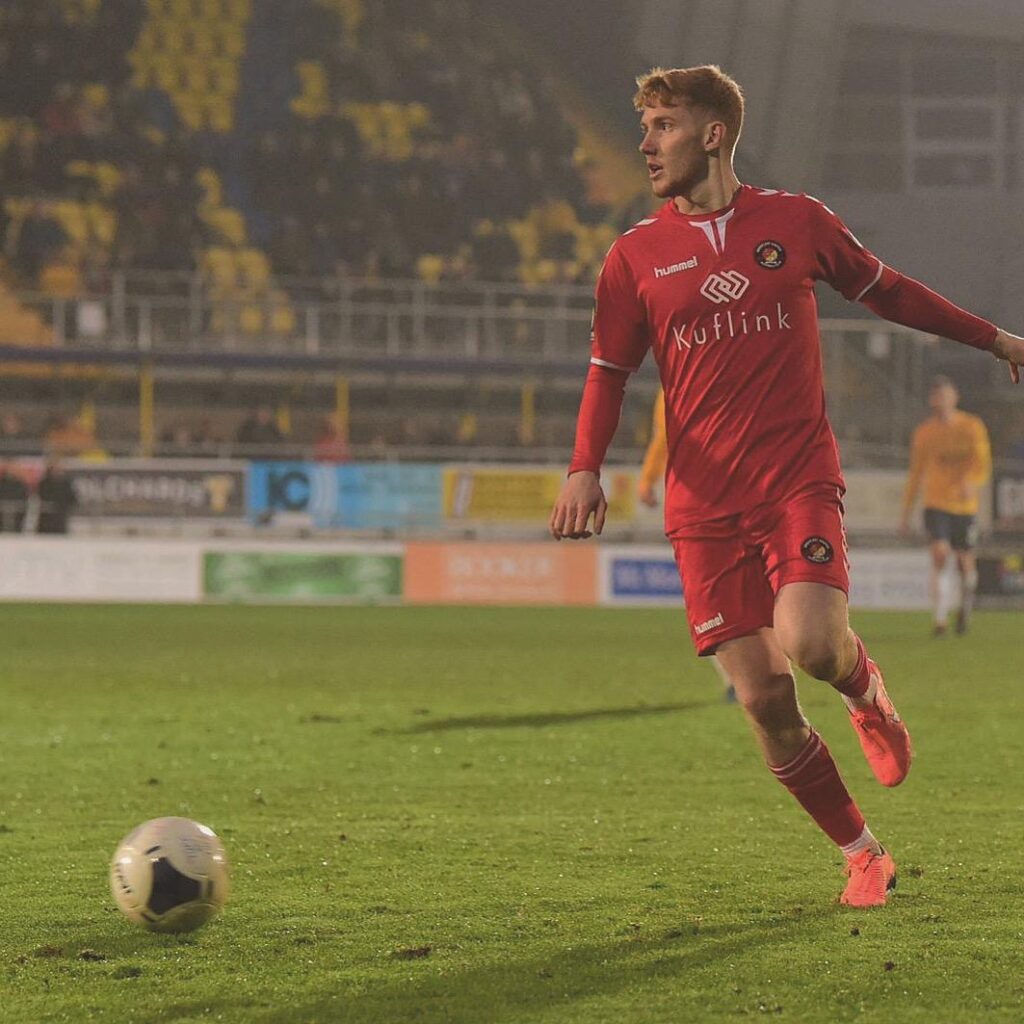
Despite the immediate disappointment that came with leaving Wimbledon and the professional football world behind, Egan looks back at his time in SW17 with great fondness. “You know what, I had a few successful years there and think I did really well. I played a handful of professional games in the league, which is the pinnacle of my footballing achievements, and I’ll always be proud of that. Football was brilliant for me, and I learnt so much in a brilliant environment and have some unbelievable memories for life thanks to football.”
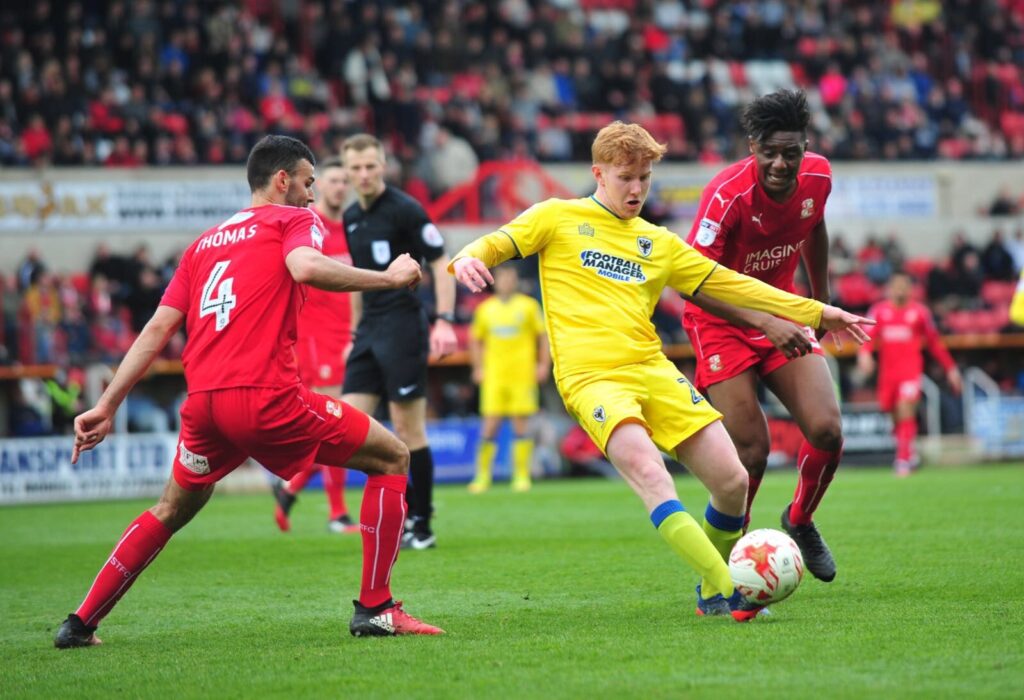
Following a few seasons of continuing with full-time football in the National League with Ebbsfleet, Egan signed for part-time National League South side Dorking Wanderers. “A club full of great people. The lads were fantastic, and the manager is a legend,” he says with a beaming smile. “It was a really good place to go and experience my first taste of part-time football. They only trained on Tuesday and Thursday evenings, so I had so much spare time on my hands—and there’s only so much gym work you can do!
“I began thinking about what I could potentially do in my spare time, and fortunately had a cousin who owned a recruitment company, so I reached out to him and asked if he thought I might be suited to it. I went in for a couple of days and, to be honest with you, never looked back. The environment was great, and it felt as close to a football changing room as you could possibly get.
“I think I was fortunate because the kind of career that I chose within recruitment was very active, fast-paced and competitive, so all the soft skills that I acquired during my time as a footballer suited the industry well. I also think I had a bit of a chip on my shoulder and wanted to prove to people that I could make a success of myself away from the world of sport. I began working at the bottom and earning pretty much all my money from commission, so I was extremely driven in that sense. I worked really hard and then ended up being a Divisional Manager, looking after loads of consultants.”
After three years working in recruitment for three different firms, Egan decided to take a leap of faith and pursue something different—something closer to his heart. He launched his own company, with the help of his cousin, called ‘Crossover Partners’, to help former athletes find meaning, momentum, and real careers off the pitch. “I sat down with my cousin one day and just asked what he thought of the idea, and he told me it was a no-brainer. He told me he’d seen me come into the world of recruitment with zero previous experience and make a success of it due to the traits I had learned in sport, so we launched Crossover Partners together.

“We’re here as a service to guide and support athletes transitioning out of their sport. We specifically look at helping them transition into sales and recruitment, because it’s what we have both done and have experience in. We also know that athletes are really suited to this particular industry.
“In 2023 I looked into the figures and studied them quite a lot, and it turned out 27% of athletes go into sales in their post-sporting careers—which is a huge percentage. So if we can connect as many athletes into our area of expertise as possible, then great. We just want to help anyone who needs that support and guidance. We want to ensure that people know they have these skills, nurture them, and realise what they can do. It’s all formed through lived experience, and I want to share what I’ve learnt with others to give athletes guidance into successful, new-found careers.”
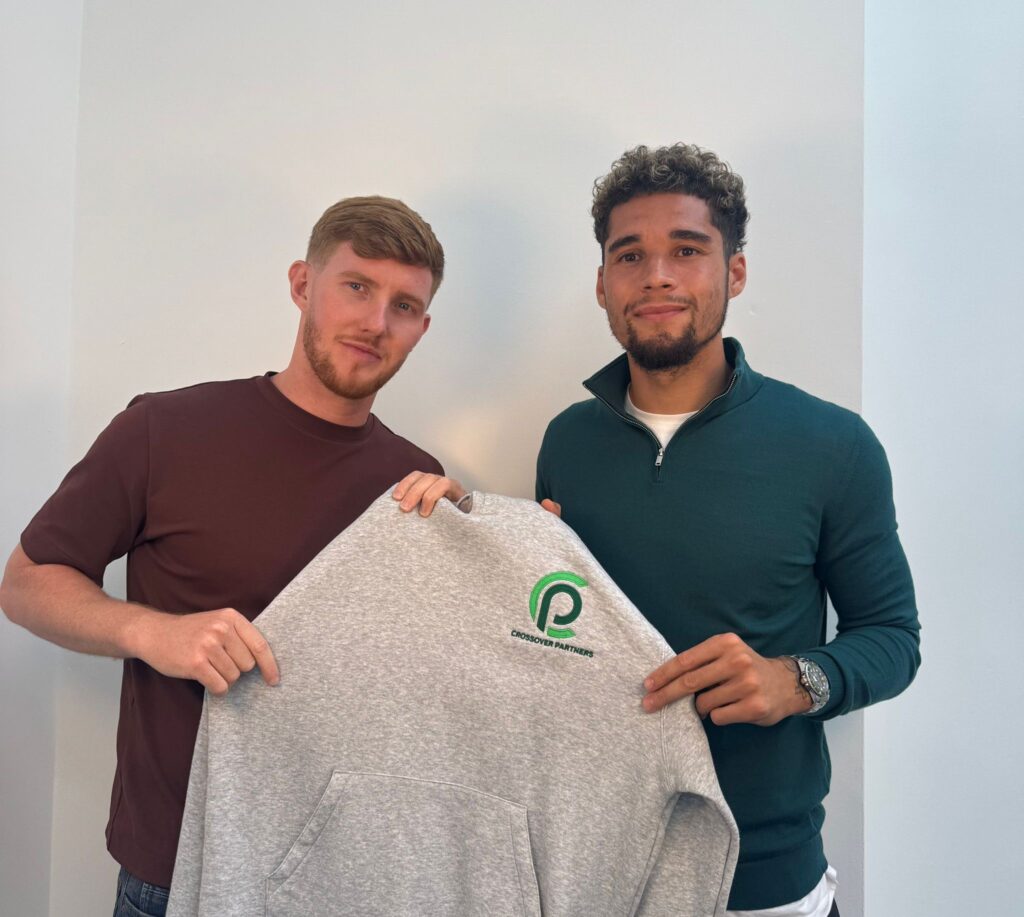
Reflecting on his post-football career success, Egan is insistent that his time as an athlete played a crucial role in shaping most of it. “I think it’s the main reason I’ve made a success of it. All of the skills that I learnt and crafted whilst playing football are the reason why I’ve done well in life after football. The biggest one for me is structure. Football taught me structure, and that’s helped me massively in the working world. Then comes the other skills such as organisation and drive to succeed. I pick up skills fast and can be taught very quickly, as you learn to be coachable as a footballer. I think these skills are what set athletes apart, in a way.”